Index
- Dungeness as a shingle headland
- Lighthouses, boats, and buildings
- Prospect Cottage and walking
- The miniature railway
- Where to eat
- Is it worth visiting?
- FAQs
Dungeness is a vast shingle headland often described as Britain’s only desert
You don’t arrive in Dungeness in a typical way. There is no clear point where it begins; the road simply continues, the landscape thins out, and familiar markers fall away until you realise you’ve crossed into something else.
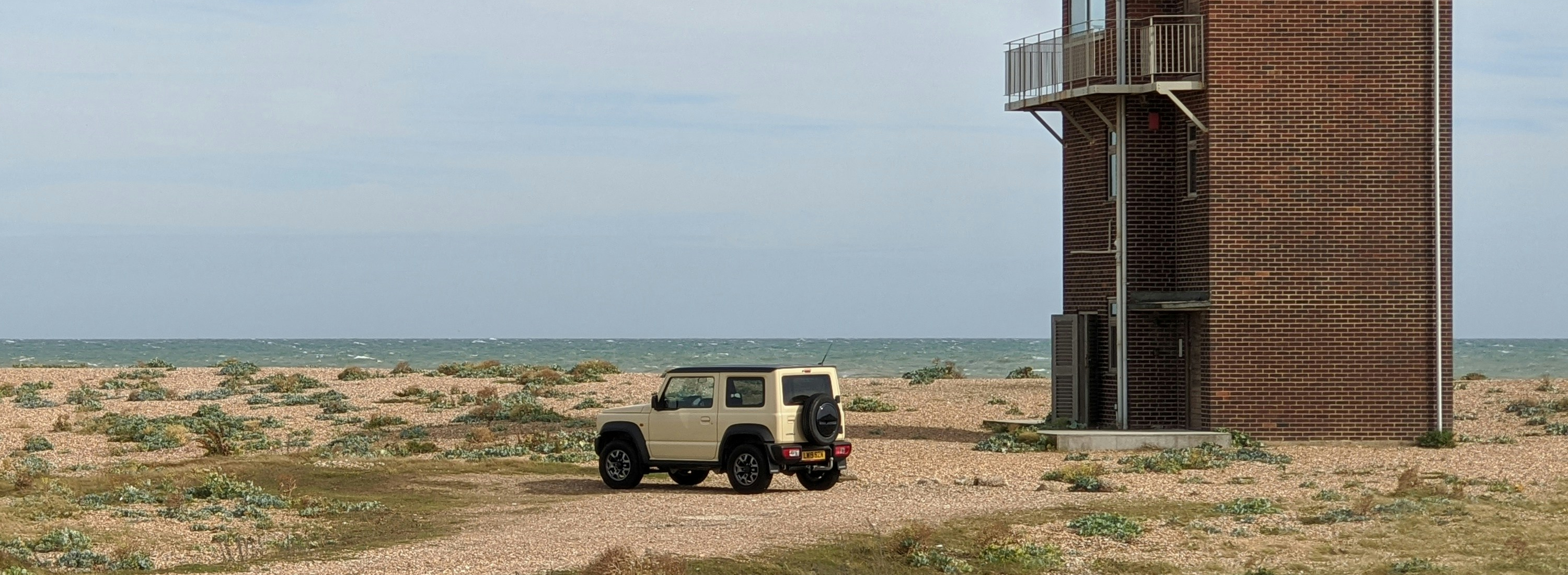
It doesn’t feel like a conventional destination so much as a gradual departure from the everyday. The ground is the first real signal: not sand and not grass, but loose shingle underfoot, uneven and shifting, slowing your pace whether you intend it to or not.

The place resists tidy structure. Its edges stay loose, its routes feel open-ended, and the horizon sits low and flat beneath a sky that does much of the work.
On a clear day, the light spreads across everything without interruption. On a grey day, the colours drain out almost completely.
It asks you to notice it on its own terms rather than presenting itself in a neat sequence.
It is often described as Britain’s only desert, which helps convey how strange and exposed it feels, even if Dungeness is not a true desert in the meteorological sense. What is beyond dispute is that it is one of the largest expanses of shingle in the world, and that scale is part of what makes it feel so unlike anywhere else in the south east.
Old lighthouses, cottages, boats, and a power station shape Dungeness
Most places gather themselves around a centre. Dungeness doesn’t.
Cottages sit where they happen to sit. Fishing boats are pulled up onto the shingle and left there. Small structures appear and disappear without any obvious pattern.
The lighthouse stands out, but only because there’s so little else competing with it. It doesn’t anchor the place, it just gives you something to look at.


Further out, the power station sits heavily on the horizon. It should feel out of place. Somehow it doesn’t.
Nothing feels arranged. It just exists.
That tension is part of why people keep writing about Dungeness. Some describe it as bleak or even unsettling; others see it as strangely beautiful and hard to leave. Both reactions make sense when you’re there.
Prospect Cottage, shingle walks, and quiet details reward a slower visit
Dungeness is best understood by moving through it slowly, without much agenda.
Dungeness rewards slower attention more than checklist sightseeing, so your focus shifts to smaller things: a cluster of objects outside a cottage, a line of stones placed deliberately, a garden built directly into the shingle.
At Prospect Cottage, Derek Jarman’s garden does exactly that. It doesn’t try to soften the landscape or hide from it. It works with what’s there, stones, wood, hardy plants, arranged with care but without excess.


That is part of what makes Dungeness distinct. It isn’t empty, but it is sparse. Human presence appears in gestures rather than grand structures, and then open ground takes over again.
You walk, stop, and change direction without thinking too hard about route or sequence. Sometimes that leads you to a small seafood hut or stall, informal and weather-dependent, selling whatever has been brought in that day.
The crowd here is part of the character too. You get bird-watchers heading for the reserve, architecture and design people looking at the houses and converted carriages, and visitors making a quiet pilgrimage to Prospect Cottage. It draws curious people more than conventional tourists.
The miniature railway and old lighthouse are two of Dungeness’s clearest attractions
Taken together, the miniature railway and old lighthouse give a Dungeness visit a clearer shape. The railway makes the approach feel like part of the outing rather than just the way you get there, while the old lighthouse gives you something solid to climb, look out from, and orient yourself around once you arrive.
They also work well together geographically. Both sit within the same part of Dungeness, close to the station, lighthouse area, and wider shingle landscape, so they turn this stretch of the headland into a satisfying slower stop before you carry on towards the shoreline, reserve, or somewhere to eat.
Romney, Hythe and Dymchurch Railway
Dungeness Station (Romney, Hythe and Dymchurch Railway)
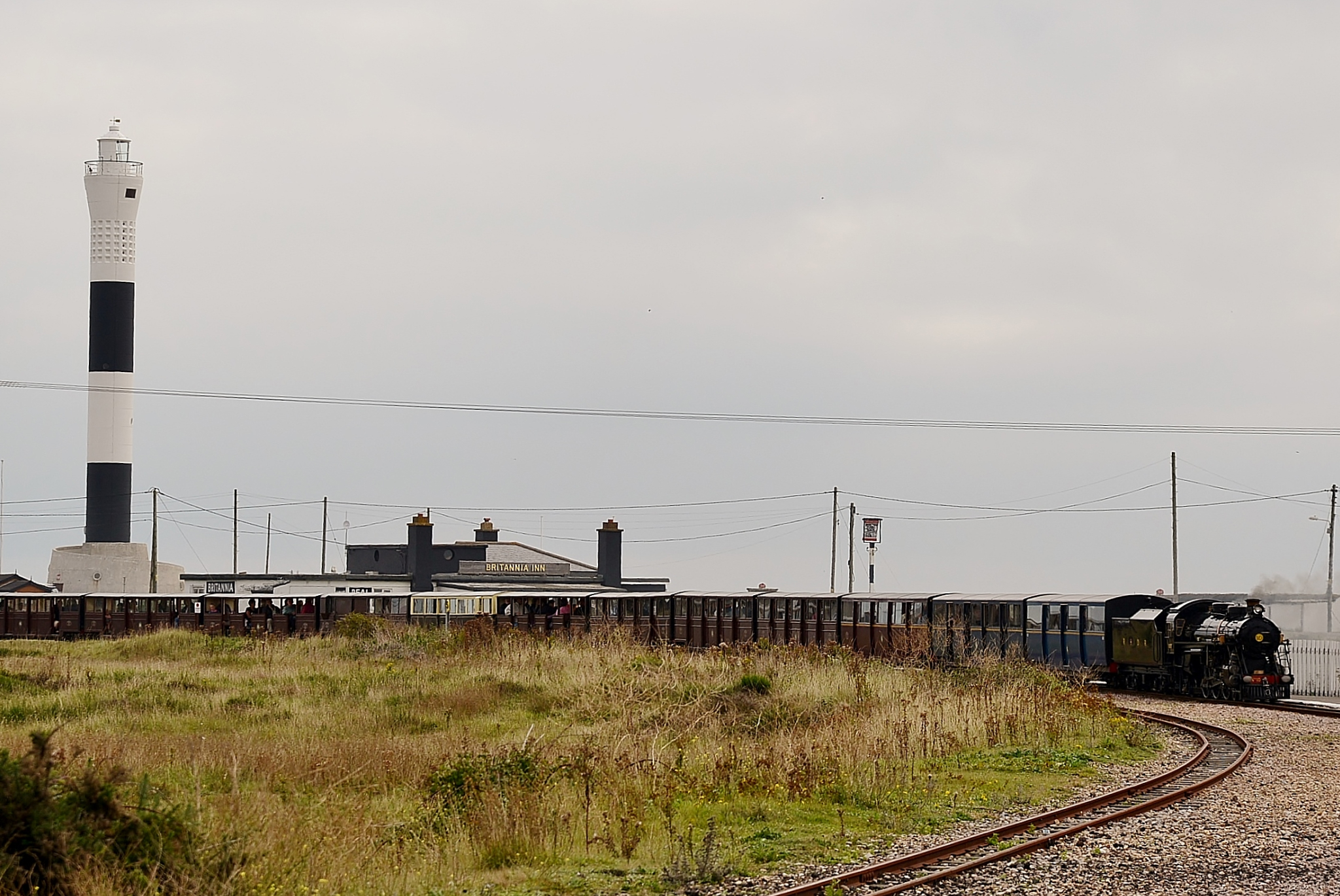
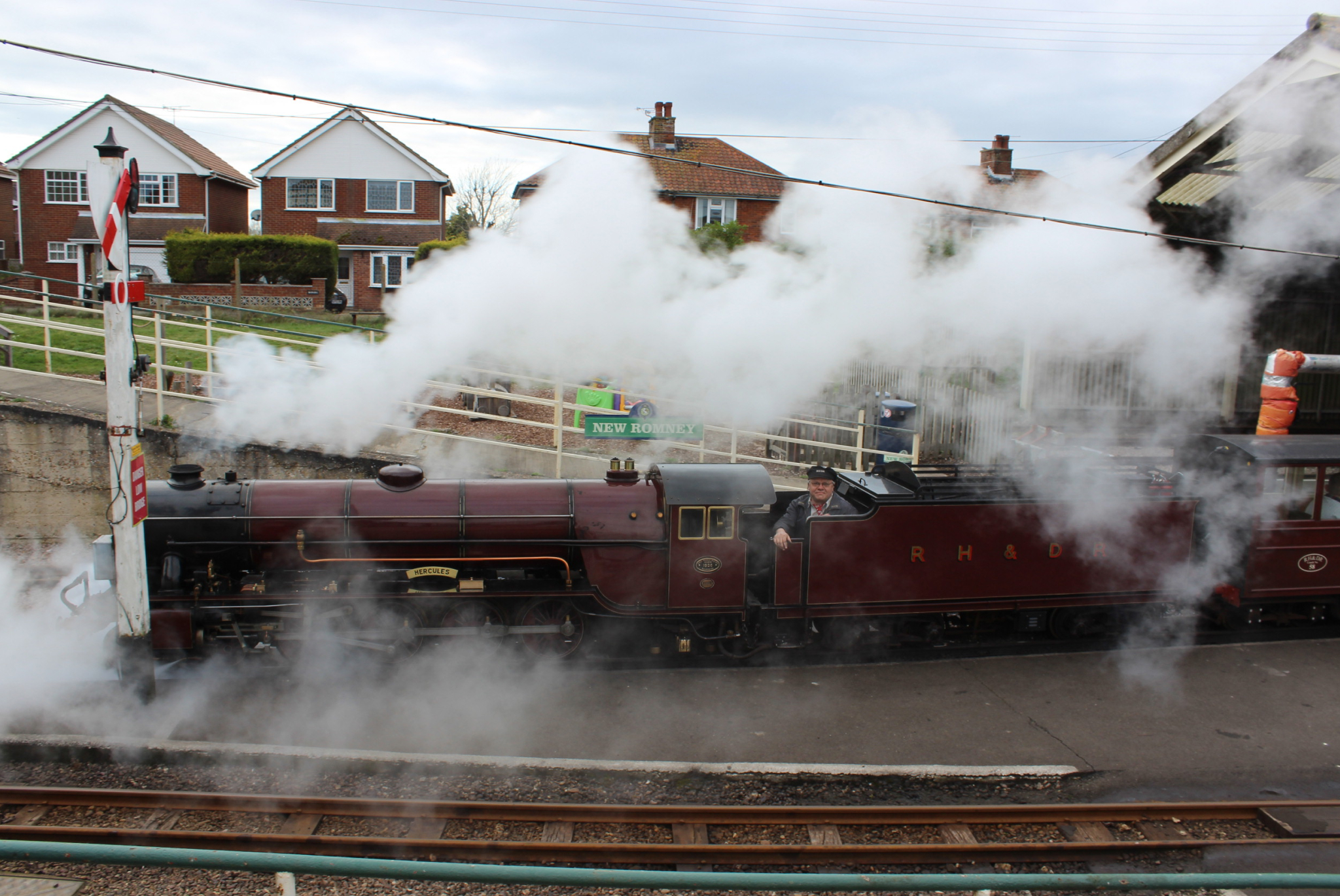
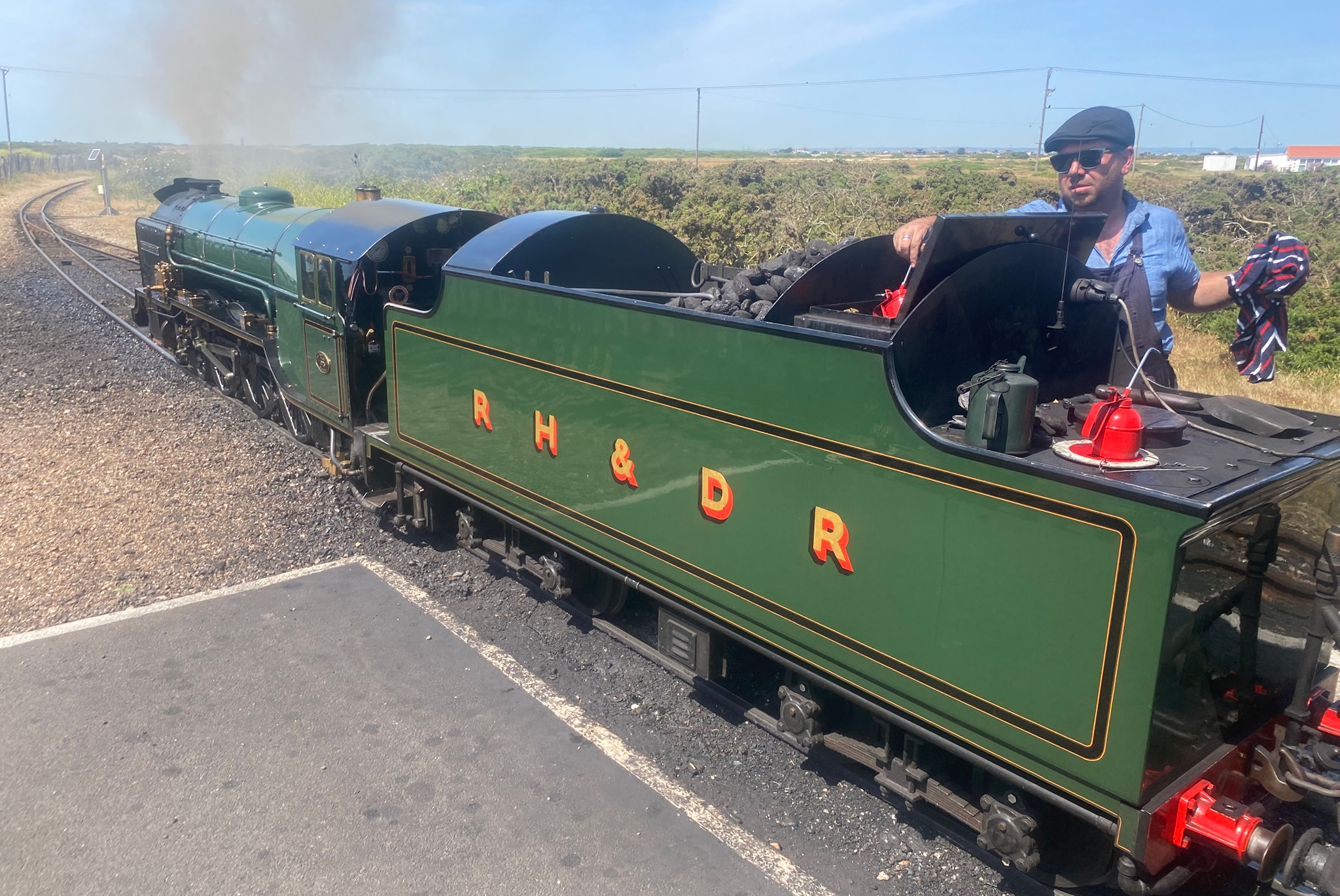
One of the more unexpected ways to arrive is on the Romney, Hythe and Dymchurch Railway, the miniature railway that has been running to Dungeness since 1928. The station sits beneath the old lighthouse at the end of the line, which makes the journey feel less like a transfer and more like part of the visit.
It is useful as well as novel. Arriving here puts you within easy walking distance of the old lighthouse, the newer lighthouse, the lifeboat station, and the wider shingle landscape, so it works well if you want a slower visit without relying entirely on the car. There is also an End of the Line Restaurant at the station, which gives you a straightforward place to stop for fish and chips, breakfast, hot drinks, or something warm after a windy walk.
Dungeness Old Lighthouse
The Old Lighthouse, Dungeness
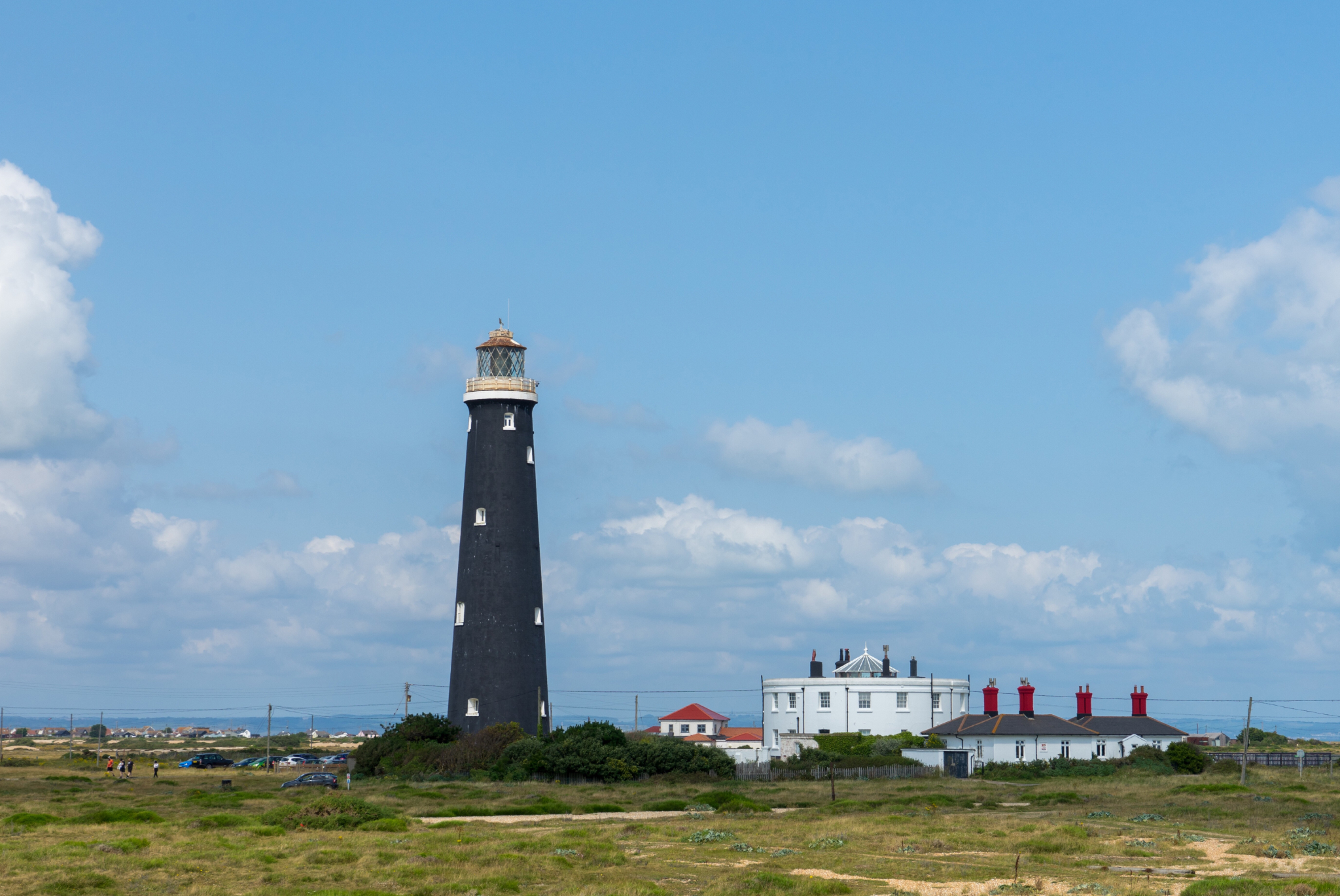
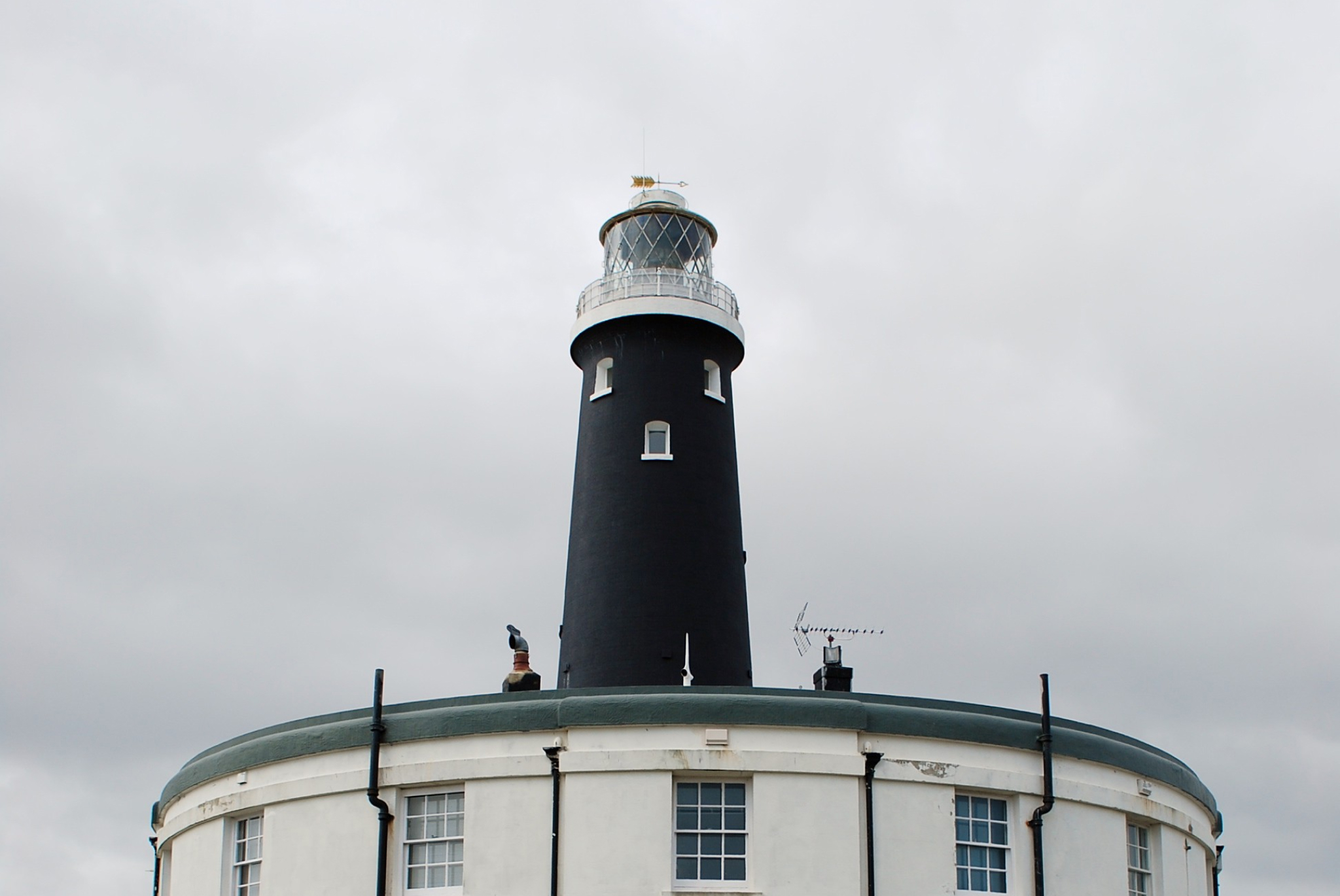
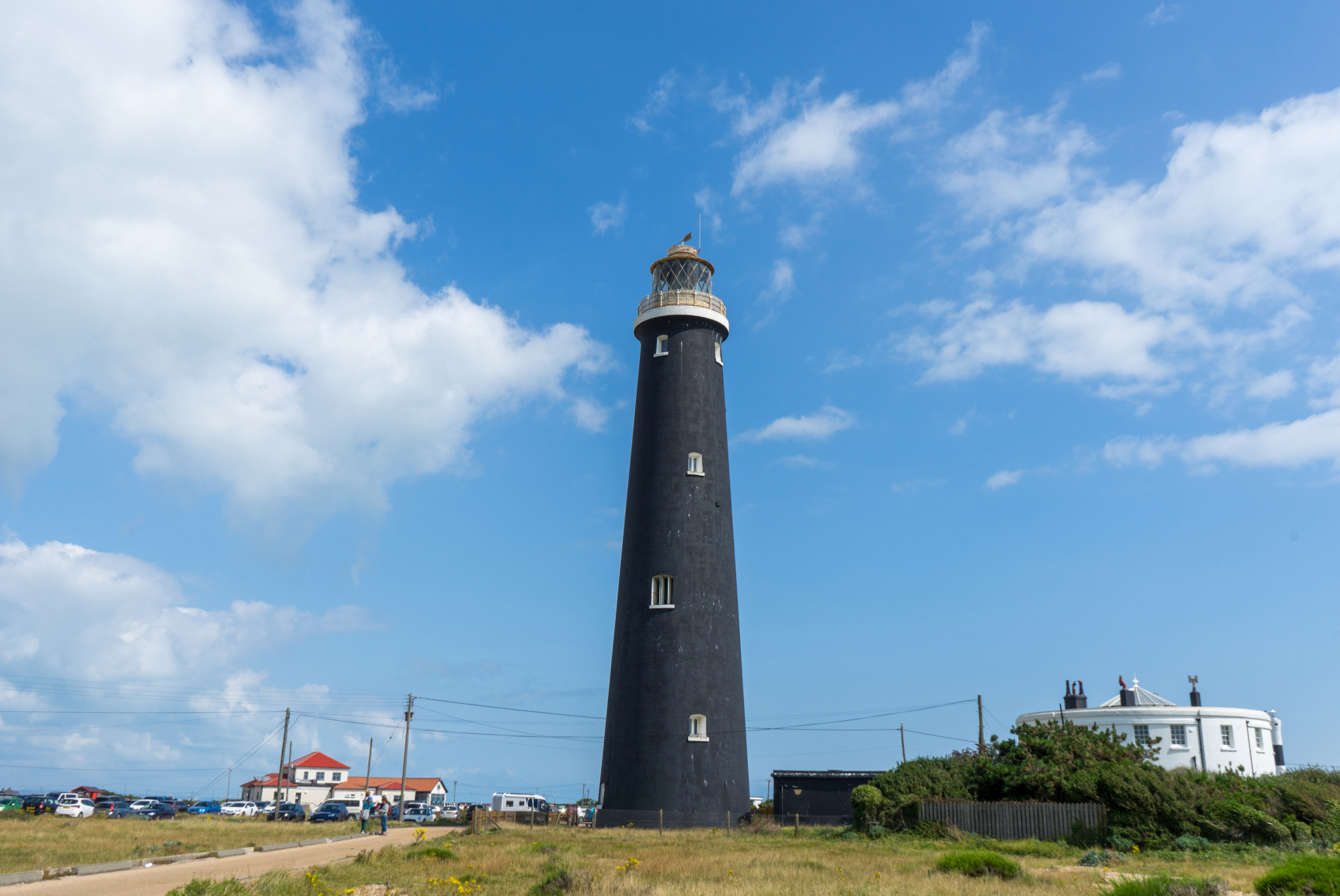
The old lighthouse is one of the clearest reasons to pause at this end of Dungeness rather than simply pass through it. You can go up the tower for wide views across the shingle landscape and coast, which makes it feel like a proper attraction rather than just a landmark on the horizon.
Seen alongside the station, it helps turn this part of Dungeness into a small cluster of things to do rather than just an arrival point. It works well as a short stop in its own right, or as part of a slower walk around the lighthouse area before continuing towards the shoreline and reserve.
Fresh seafood and good old pub food
Eating in Dungeness is part of the same mood as the landscape: simple, weather-exposed, and a little improvised. You’re not coming for polished dining rooms or endless choice; you’re here for fresh seafood close to the boats, or a dependable pub meal after a windy walk. If you want to plan ahead, these are the most reliable places to aim for.
Dungeness Fish Hut and The Snack Shack
Dungeness Fish Hut and The Snack Shack
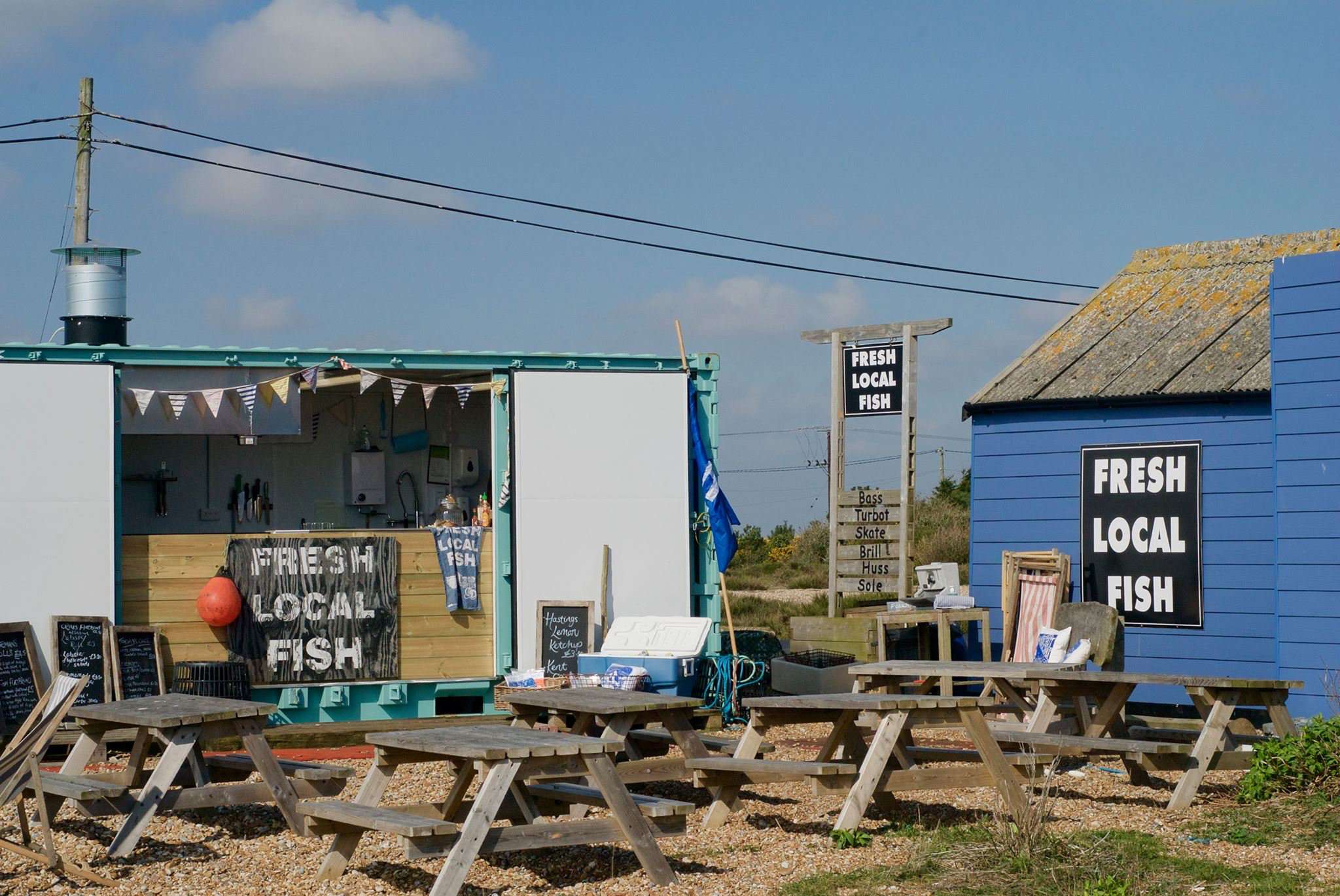
On Dungeness Road, this family-run seafood stop has traded on the shingle since 2013, with a focus on local catch from their own boats. Expect simple, catch-led dishes from the Snack Shack, including fish rolls, flatbreads, scallops, and shellfish sides, with some non-seafood options.
The Pilot Inn
The Pilot Inn
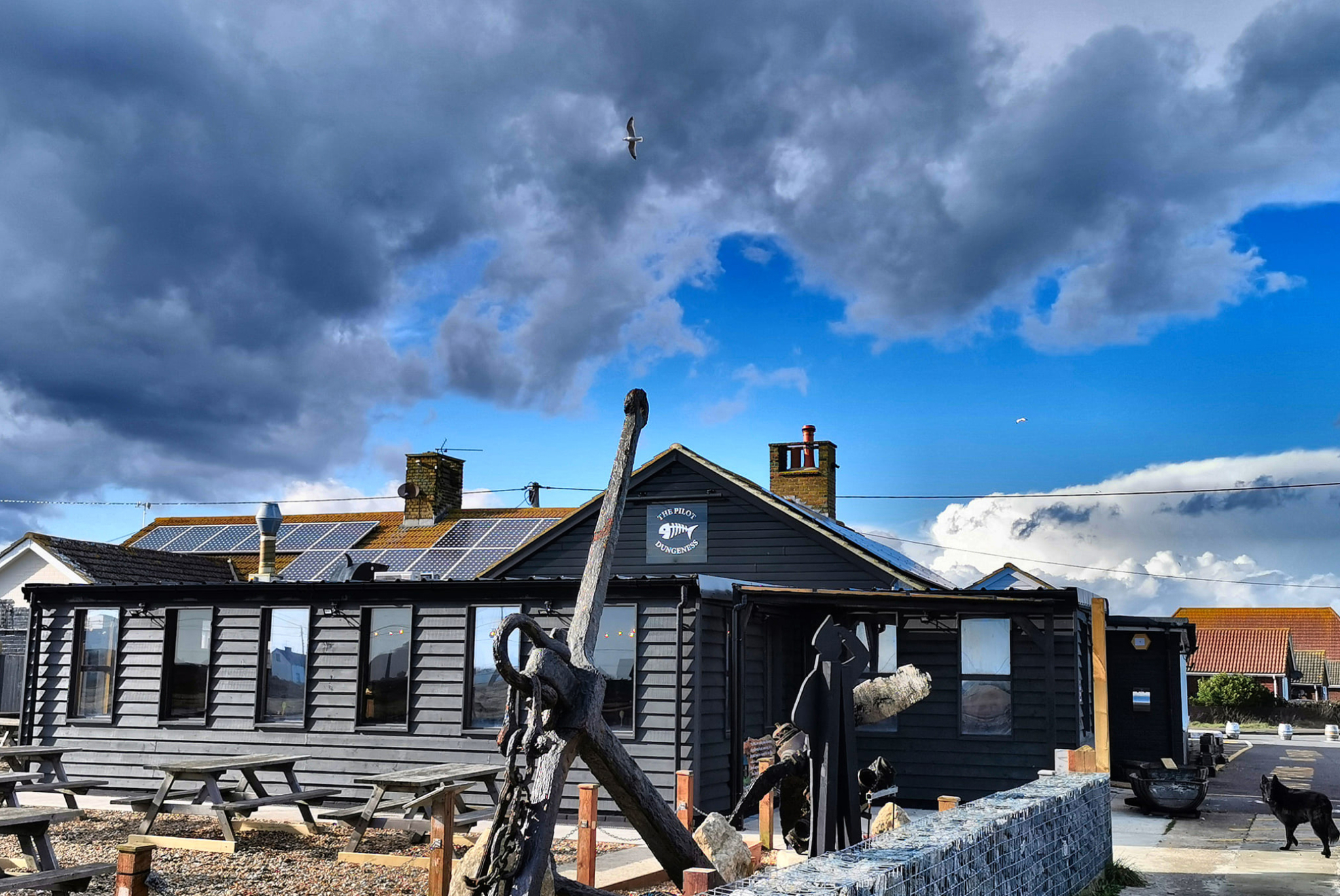
The Pilot Inn is a long-running pub and restaurant on Battery Road, close to the shingle and reserve. It’s one of the area’s best-known sit-down options, with fish and chips, seafood dishes, and standard pub plates.
The Britannia Inn
The Britannia Inn
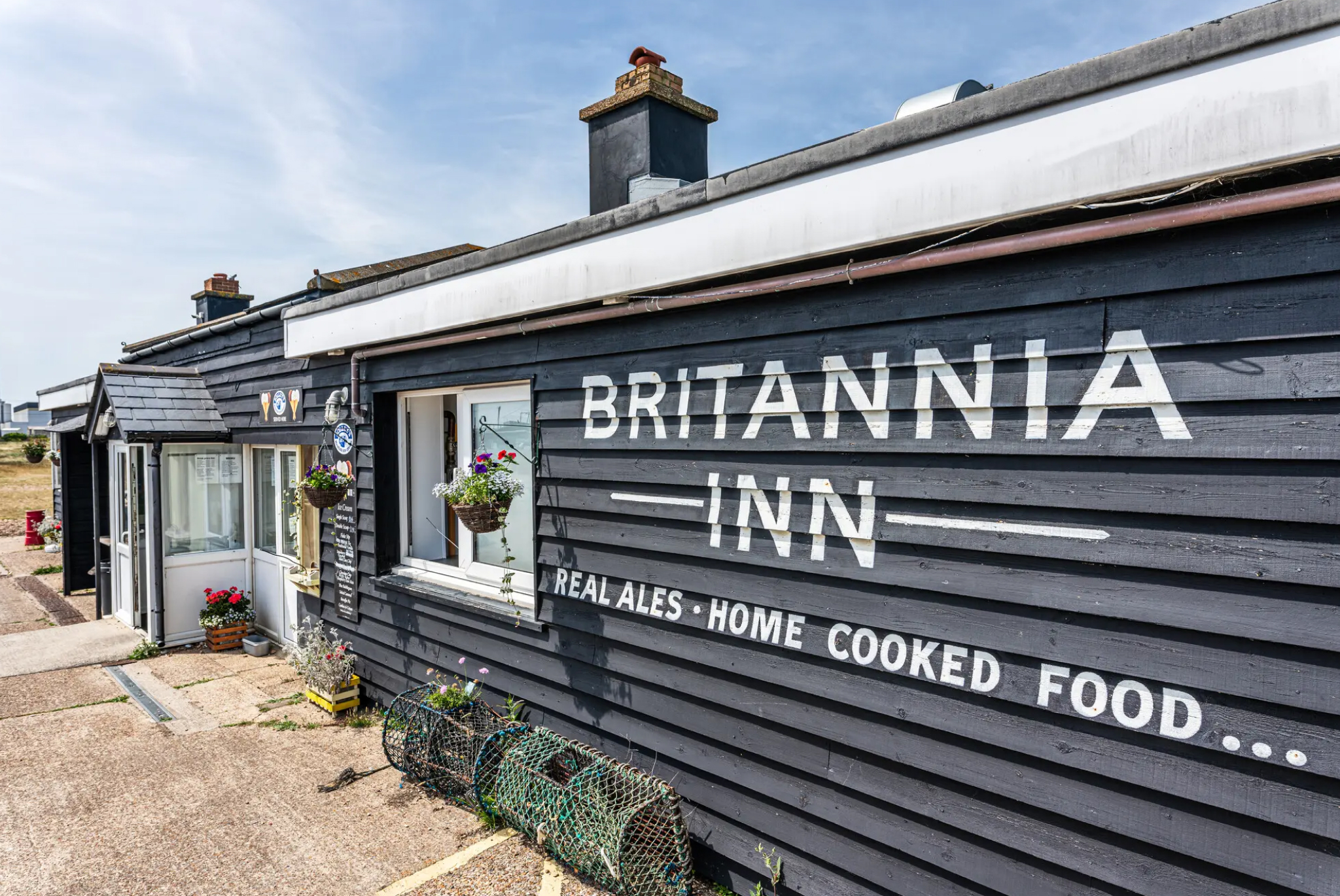
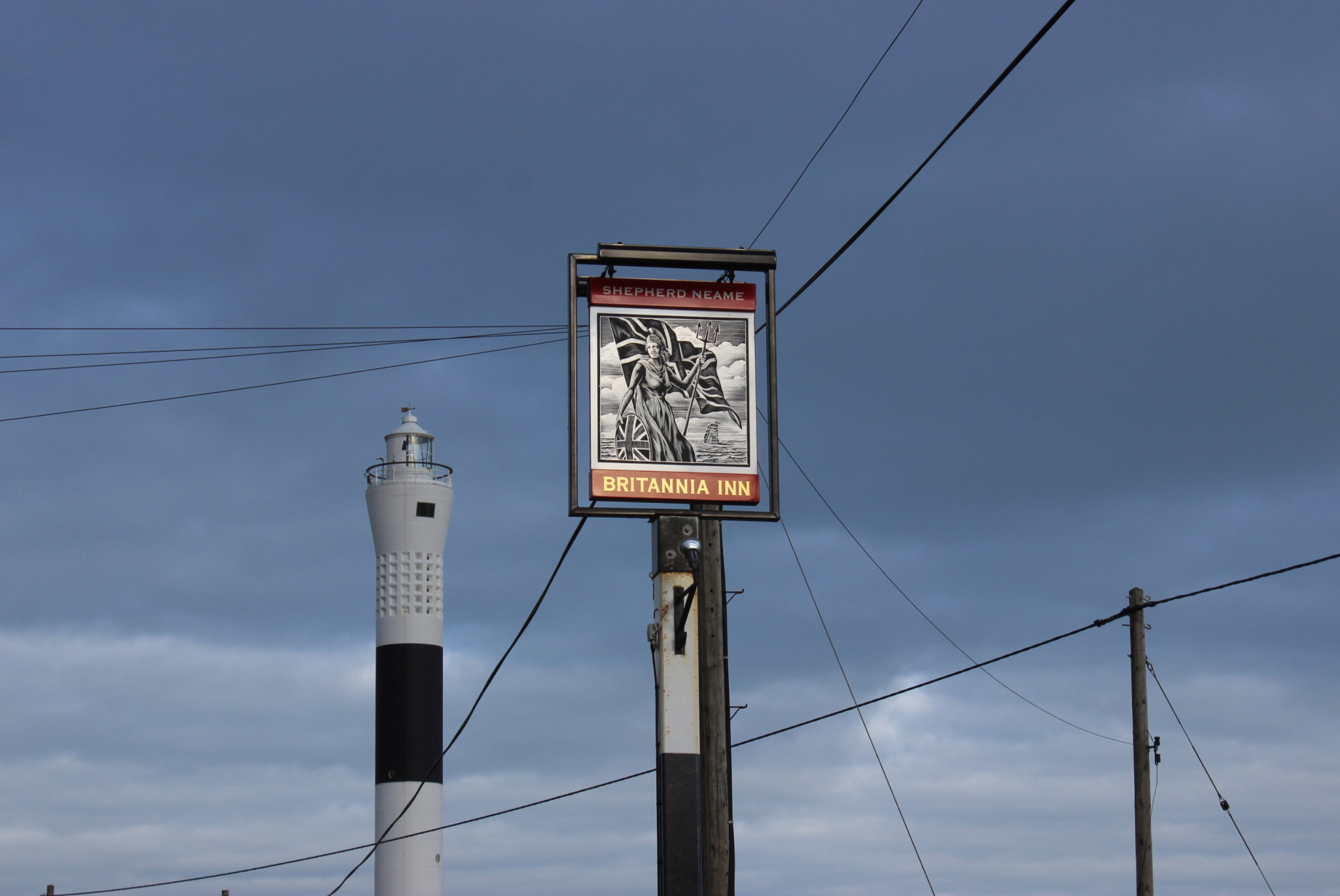
The Britannia Inn is a straightforward pub-and-restaurant stop on Dungeness Road. Food is classic pub fare, including fish and chips and other home-cooked dishes in a traditional indoor pub setting.
Dungeness is worth visiting if you like stark landscapes and quiet day trips
Dungeness isn’t trying to be simplified. There is no single route through it, no fixed order in which it has to be experienced, and no moment where it all resolves into something tidy. You leave with an impression rather than a summary, which is exactly why some people find it austere while others find it unforgettable.
It suits visitors who enjoy atmosphere, walking, and unusual coastal landscapes more than fast-paced attraction hopping. If you are interested in places that feel a little strange, exposed, and unresolved, then yes, Dungeness is worth going to. It is not far from Rye, yet it feels like a completely different direction.